 🎉 Malingo is now on Google Play!Get the Android app: same account, same progress.Install
Learn Croatian, one small lesson a day
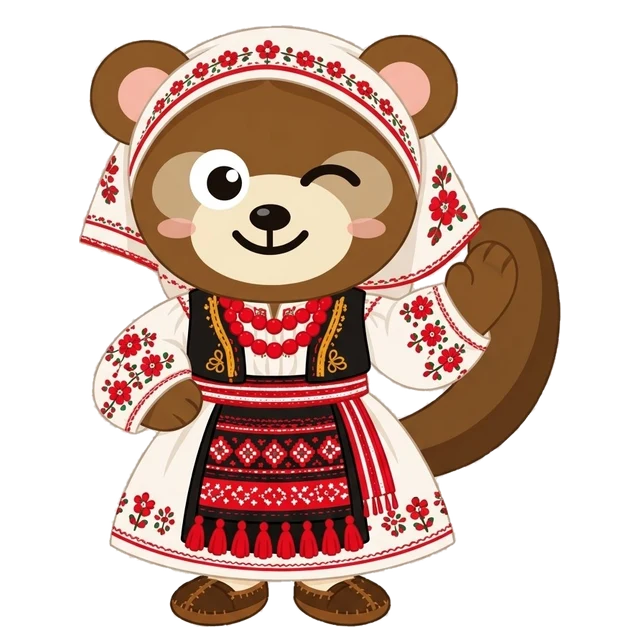
Malingo is a free, game-like course that takes you from your first “Bok!” to real conversations in Croatian. Lessons are short, mistakes are friendly, and Kuna — a Croatian pine marten — cheers you on every day.
تعلّم اللغة الكرواتية خطوة بخطوة، بدروس قصيرة وممتعة بالعربية أو الإنجليزية.
Start learning — it's free I already have an account
173 lessons727 words with audioA1 → B2English & العربية
Your first ten Croatian words
Start right now. Tap ▶ to hear each word, then say it out loud. Croatian is read exactly as it is written, so the pronunciation hints below work for every word you will ever meet.
What you will learn
The course follows the European CEFR levels. Each topic below has its own free word list with pronunciation and example sentences — open any of them to start reading and listening.
12 units · 272 words
10 units · 192 words
8 units · 147 words
6 units · 116 words
Learn Croatian: in-depth guides
50 Croatian phrases for your trip to Dubrovnik, Split and Zagreb
The Croatian phrases travellers actually use: greetings, ordering food and coffee, buying ferry tickets, shopping at the market, hotels and emergencies. With pronunciation, audio and local tips.
How to pronounce Croatian: č, ć, dž, đ, š, ž, lj, nj and the rolled r
A clear guide to Croatian pronunciation for English speakers: every special letter with examples and audio, the difference between č and ć, words with no vowels like Krk, and common mistakes.
Croatian numbers 1 to 100, prices in euros and telling the time
Learn to count in Croatian from 0 to 100 with audio, understand prices in euros at shops and markets, and tell the time. Includes the patterns that make numbers easy to remember.
Croatian food: what to order and how to order it in Croatian
The Croatian dishes worth trying, from ćevapi and peka to crni rižot and štrukli, the menu words you need, and the phrases for ordering, allergies and paying. With pronunciation and audio.
Croatian, Serbian and Bosnian: how similar are they, and what is different?
A friendly, neutral guide to the differences between Croatian, Serbian, Bosnian and Montenegrin: alphabets, pronunciation (ijekavian and ekavian), everyday vocabulary and grammar, with examples.
Days of the week, months and dates in Croatian
Learn the Croatian days of the week and the twelve Slavic month names, what they mean, how to say and write dates, seasons and holidays. With audio and pronunciation.
تعلّم اللغة الكرواتية للناطقين بالعربية: دليل شامل للمبتدئين
دليل باللغة العربية لتعلّم الكرواتية: الأصوات السهلة والصعبة على العربي، الحروف الخاصة مع نطقها بالحروف العربية، تشابهات القواعد مع العربية، وأهم العبارات اليومية مع الاستماع.
Free Croatian grammar guides
Clear explanations with side-by-side tables you can listen to: the verb “to be”, present tense, past and future, cases, numbers and more.
Personal pronouns
I, you, he, she, we, they — and when Croatian leaves them out.
The verb “biti” (to be)
Croatian’s most used verb: yes, no and question forms side by side.
The verb “imati” (to have)
Have and have not — plus “there is / there isn’t”.
Present tense of verbs
Three ending patterns cover almost every Croatian verb.
Gender of nouns
Every noun is masculine, feminine or neuter — usually visible from its last letter.
My, your, his, her
Possessives change their ending to match the thing owned, not the owner.
See all grammar guides → · Croatian alphabet & pronunciation →
How Malingo works
🎯 Short lessons
Each lesson takes five to ten minutes: listen, match, translate, build sentences from word tiles and speak into the microphone.
🔁 Smart review
Words come back for review just before you would forget them, so new vocabulary moves into long-term memory.
🃏 Flash cards & picture quiz
Every word you learn becomes an illustrated flash card. Hear a word and pick its picture to train your listening.
💬 Chat with Kuna
Practise real situations — ordering coffee, renting a flat, checking into a hotel — in friendly scripted conversations.
🔥 Streaks & rankings
Daily goals, streaks, achievements and country and world rankings keep you coming back every day.
🌍 English or Arabic
All explanations and translations are available in English and Arabic, written for learners who live in or travel to Croatia.
Frequently asked questions
Is Croatian hard to learn?
Croatian has a reputation for being difficult because nouns change their endings (cases), but the basics are friendly: it is written exactly as it is pronounced, there are no articles like “the” or “a”, and verbs follow clear patterns. Most learners can hold simple everyday conversations after a few months of regular practice.
How long does it take to reach A1 or A2?
With 15–20 minutes a day, many learners finish the A1 level (greetings, numbers, food, shopping, transport, family) in two to three months, and A2 (past and future, travel, restaurants, making plans) in another three to four months. Short daily practice works better than long sessions once a week.
Is Croatian the same as Serbian or Bosnian?
They are very close and speakers understand each other easily. Croatian uses only the Latin alphabet and has some of its own words, for example “kruh” (bread) and “tisuća” (thousand). Everything on Malingo is standard Croatian as spoken in Croatia.
Can I learn Croatian from Arabic?
Yes. Every lesson, word list and grammar explanation on Malingo is available in English and in Arabic, so Arabic speakers can learn Croatian directly without going through English first.
Is Malingo free?
Yes. The beginner course (A1 and A2) is free and supported by ads. Malingo Plus is an optional subscription that removes ads, gives unlimited hearts and opens the intermediate B1 and B2 courses and extra practice.
Which Croatian letters are new for English speakers?
Croatian adds č, ć, dž, đ, lj, nj, š and ž. Our alphabet guide explains each sound with an example word you can listen to.
Ready for your first lesson?
Create a free account in a minute and start with greetings. Kuna is waiting! 🦦
Start learning